How to Identify and Remove a Sewer Gas Smell

How to Get Rid of a Sewer Gas Smell in Arvada In 2023?

Are you an Arvada resident who has ever dealt with an unbearable smell of sewer gas in your home? You know, that unmistakable odor that is part eggy, part rotten, and all kinds of awful - the smell that encompasses your entire home and makes it impossible to be in it? If that is the case, then this blog post is specifically tailored to your needs! We’ve created a step-by-step guide with easy-to-follow tips on how to get rid of that pesky sewer gas smell once and for all so that you can start breathing easily again! Keep reading to find out how you can finally get rid of the smell in your home and reclaim your space!

Identifying the Sewer Gas Smell in Arvada

Identifying a sewer gas smell in Arvada can prove to be a difficult task. The presence of other nearby sources such as garbage, decaying organic matter, and HVAC systems can make it difficult to identify the exact source of the smell. Moreover, due to the invisible nature of gases, it can be hard to accurately detect the origin. On one hand, there are some universal indicators that will more often than not indicate the presence of a sewer gas smell. For example, the tell-tale rotten egg odor is often indicative of hydrogen sulfide, which is frequently present in sewer systems. On the other hand, any odors that are methane based may not be as easily identified, since this type of odor does not always have an objectionable scent to most people. When attempting to identify a sewer gas smell in Arvada, it is important to first narrow down and rule out other possible causes such as vents from appliances in your home or even standing water from heavy rains. Additionally, an inspection of your home’s plumbing system for any cracks or signs of leakage may also help determine if this is indeed the source of the smell. Once you have determined that a sewer gas smell is in fact present in your home, it is important to take action immediately and address the issue at the root cause or call an emergency plumber. To begin resolving this issue and prevent any further damage or health risks posed by this persistent smell, proceed with checking your plumbing and vents for any potential problems.
  • Sewer gas smells can be caused by a variety of sources including sewage backing up, broken or blocked pipes, or even an accumulation of materials that cause clogging and overflow.
  • Poorly sealed basements and bathroom fixtures can allow dangerous gases to seep through cracks and enter your home.
  • According to research, methane and hydrogen sulfide are the two most common gases that give off a sewer odor.

1) Check your Plumbing and Vents

Once you’ve identified the sewer gas smell in Arvada, it is time to check your plumbing and vents. This can be a tricky process, as both can harbor the odor of sewage on occasion. If you are unsure of where the smell is coming from, pay attention to which rooms or areas of your home are affected. That can assist in pinpointing the origin Many plumbing problems can let sewer gas escape into your home. Common culprits include broken pipes, toilet seals, or a clogged drain line. Although these may not always generate a smell, they could be contributing to one that is already present. Check all current pipes and seals for necessary repairs or replacements. It may also be wise to clean up any standing water or other debris that could end up trapping gases inside your system. Some homes also have ventilation systems with outdoor air intake openings where sewer gas can enter if not properly sealed. Inspect all vents for any potential gaps that may need caulking or other fixes to prevent odors from creeping inside. Opening windows when possible and running fans on high speed can help dissipate any existing scent quicker than if left alone; however, this method should only be implemented after ensuring the root of the issue has been addressed with proper sealing and repairs. Solving the problem of sewer gas smells in Arvada starts with recognizing the source of the odor. Taking the time to inspect and assess all areas of your home's plumbing and ventilation systems can help put an end to any pungent fumes once and for all.

2) Recognize the Source of the Odor

Once you have identified the plumbing and vents as being secure, it’s time to figure out where the odor is coming from. Identifying the source of the smell can be incredibly difficult, but understanding the cause of the odor will make eliminating the smell much simpler. In some cases, sewer gas odors are caused by aging pipes or poor venting. Sewer gases can enter a home through faulty pipes in older homes or if a pipe leaks. If this is the case, repair any leaky pipes and ensure proper venting to help prevent future smells. In other cases, something has caused a blockage in your drain system that is slowing down waste water and releasing smells. The cause could be anything from something lodged deep in a pipe to tree roots that may have caused something to become lodged at some point in the piping system. You may need professional assistance for identifying and resolving this issue. Regardless of what the source of your odor is, recognizing where it is coming from helps pinpoint which steps are most needed in order to get rid of it. Knowing where to begin will make tackling your odor problem much easier. Now that you understand the source of your odors and how it came to be, you can start taking steps to remove sewer gas from your home in Arvada. Also Read About: How to Use a Drain Snake to Clear Clogged Sinks and Showers

Removing Sewer Gas from Your Home in Arvada

Removing sewer gas from your home in Arvada is important, as it is not only unpleasant to the senses but can be detrimental to your overall health. There are a few steps you can take to help reduce and ultimately eliminate any traces of this odor. Firstly, identify any possible sources of the odor by checking all drains, floor vents and other places where water or sewer lines pass. If the source of the odor is a drain, it could be caused by inadequate ventilation or a blockage inside the plumbing. Clean out any debris from your sink and tub drainer P-traps. Use an enzyme-based product to break down any organic matter that may be blocked in your pipes. However, keep in mind that these products require proper ventilation and should never be used near open flames. Additionally, you may consider using specialized deodorizers and odor neutralizers sold at most hardware stores which can help mask odors while you wait for ventilation solutions to take effect. Another approach is to use activated carbon filters which contain adsorptive material that absorbs a wide range of odors, including those stemming from sewage gases. Activated carbon filters are relatively inexpensive and come in both spray form and as solid blocks that can be placed strategicaly around your home for maximum potential benefits. Also, you should consider investing in mechanical ventilation systems that remove moisture and odors with fans or forced exhaust systems and replace them with fresh air. To sum up, it is important to first identify the source of the smell before attempting to rectify it yourself with DIY solutions or specialty products like deodorizers, carbon filters or mechanical ventilation systems. By taking action, you will not only improve indoor air quality but also prevent damage to your home caused by sewer gas accumulation over time. In order to maximize the effectiveness of any solutions applied, make sure to properly ventilate indoors and outdoors simultaneously for the best results.

1) Ventilate Indoors and Outdoors

After assessing the source and removing sewer gas from your home in Arvada, it is important to ventilate both indoors and outdoors. It’s necessary to trap odors outside in order for them not to settle back into the living space. This is a vital step in getting rid of that sewer smell permanently. In addition to reducing odors, proper ventilation enables air to circulate properly through your living space, thus providing beneficial health effects such as reducing indoor air pollutants like pesticides or chemicals from household cleaning products. Installing fans and opening windows regularly can help improve air quality. Some experts also suggest using a dehumidifier to minimize moisture-related problems as high levels of humidity can cause trapped odors to linger in the air. It’s important to consider all aspects of ventilation, both indoors and outdoors, when trying to get rid of the sewer smell in Arvada. To ensure the issue is permanently resolved and prevent it from arising again, one must take further steps in removing the sources of the odor, going beyond just odd removal and regular ventilation regimes.

2) Remove the Sources of the Odor

Once you have successfully ventilated your home and outdoors to get rid of the initial sewer gas smell, it’s time to move on to removing the actual sources of the odor. In order to do this effectively, it’s important to understand where the smell is coming from. There are a few common areas and issues that often lead to sewer gas smells inside homes, and these are worth investigating. First, any plumbing fixtures connected to wastewater drains. Specifically, look for items such as tubs, shower drains, toilets or dishwashers. If these fixtures have not been used or operated in some time, it’s possible that sewer gas can escape through them due to a lack of pressure or water movement. Additionally, make sure all fixtures have tight-fitting covers with no cracks that could allow gas to escape. Second, check any pipes connected to wastewater drainage systems outside of the house. If there are any cracks, gaps or breaks in these pipes, they should be repaired as quickly as possible because they can be a source of sewer gas entering the home. Make sure all pipe joints are properly sealed with caulk or other materials designed for that purpose. Furthermore, make sure all accessible drainage lines are securely fastened. Lastly, check for any tree roots that could potentially compromise the structural integrity of the drains. Taking care of these two primary sources of the odor will go a long way toward eliminating your sewer gas problem. Once these sources are removed through proper ventilation and repairs/maintenance, there may still be more steps needed for complete removal of the odor, which you can begin by taking the preventative measures outlined in the next section. Also Read About: How to Shut Off the Main Water Supply in a Mobile Home

Precautionary Measures for Sewer Gas Removal

Precautionary measures for sewer gas removal should be a priority when trying to rid Arvada of the odor. Sewer gas can cause a range of health problems, including nausea, coughing, headaches and fatigue. In extreme cases, sewage fumes can result in more serious issues like dizziness, loss of consciousness, irritation of the eyes, nose, throat and lungs. Therefore, it is important to take precautions when attempting to shield oneself from exposure. One of the most effective methods for preventing exposure to hazardous sewer gases is using a respirator that comes with a carbon filter. This device will help filter out toxic substances from the air before they are breathed in. Professional-grade respirators that conform to safety standards should always be used for this purpose. Another way to ensure greater protection from hazardous sewer gases is to wear proper protective clothing, such as a face mask or gloves. This will help keep body parts away from contact with contaminated material. Additionally, using an exhaust fan within the home can also help circulate fresh air and reduce the concentration levels of dangerous components in the air. Those attempting to remove sources of sewer gas present in their home should make sure that they are properly ventilated while doing so. For example, maintaining open windows while cleaning will reduce the levels of carbon dioxide in one’s living environment, thereby reducing the risk of being exposed to harmful chemicals and bacteria while carrying out maintenance functions. Furthermore, any wastewater or materials involved with mold remediation should be disposed of properly according to local ordinances, as these substances can create additional sources of odor and worsen existing conditions if left untreated. Ultimately, taking precautionary measures when trying to get rid of sewer gas smell in Arvada is essential for avoiding health complications that may occur due to long-term exposure or improper handling procedures during remediation efforts. By following these safety recommendations and utilizing the best practices that come with dealing with hazardous materials and odors; one can effectively mitigate the risks associated with plumbing related issues before they become more serious concerns within the community.   Also Read About: What to do when the Drains are Backed Up
The Best Way to Unclog Every Drain in Your Home

Unclog Your Home Drains in Arvada: The Best Way to Do It

We all know that dealing with clogged drains can be the worst. We’ve all been there before, standing in an inch of water when our bathtub or sink didn’t drain. What’s worse– not only are they inconvenient and time-consuming to unclog, but often the “solutions” we find online or over the counter barely work and can even lead to worse issues. If you live in Arvada, then you’ve got a few options to ensure the job gets done right and without problems. Let’s take a look at the best way to unclog the drains around your home.

Tips for Preventing Clogged Drains in Arvada

Paying attention to the items that enter your drains is key to preventing clogged drains in Arvada. Ingredients such as fats and oils should be avoided, as they are solid at room temperature and can harden on pipe walls and create blockages. Similarly, small materials such as coffee grounds, eggshells, and even pasta can accumulate and contribute to an eventual stoppage. Tree roots can also become problematic, as they may interfere with drainage systems over time if growth is not managed appropriately. In severe cases, tree roots may actually need to be surgically removed to restore pipeline performance back to normal. Furthermore, homeowners should consider installing strainers in the drains of their sinks or baths to catch small particles before they enter the pipes. Such a precautionary measure is especially useful in changing seasons when dirt and debris from outdoor activities are likely to be washed indoors. Additionally, routine maintenance inspections should be conducted every few months or so to ensure that your plumbing system is functioning efficiently with minimal risk of blockages due to buildup or foreign objects. By paying attention to these simple tips for prevention and using proper maintenance tactics, homeowners can reduce their chances of experiencing a clogged drain right at the source. It is always preferable to avoid costly damage than having to fix it in the first place. With that being said, the next step in unclogging home drains safely and effectively involves avoiding ingredients that can cause buildup.

1) Avoid Ingredients That Cause Buildup

Although preventive measures can help reduce the likelihood of a clogged drain, it's still possible to experience problems even with those precautions in place. It's important to be mindful of what is going down Home drains so that the potential for buildup is minimized. Certain ingredients may cause a residue to linger inside pipes and eventually lead to a clog. On one hand, some argue that it's best to avoid certain products such as epoxy coating and other oils, grease, fats, and gels because they can easily adhere to pipes. Others suggest that basic household cleaners are perfectly fine to use as long as they are used in moderation and not frequently. Evidence suggests that while some products can help dissolve blockages, the majority should be at the top of the list when it comes to avoiding them. These substances become more swollen when combined with water and can create further blockages in pipes or weaken them if used too often over time. Additionally, these ingredients can corrode metals, which could lead to leaks in the system. Considering these factors, it is clear that extreme caution should be taken when selecting ingredients for home drains. Finally, replacing old parts of pipes with newer ones can also reduce the chances of buildup inside your home’s drainage system and prevent unnecessary clogs. While preventive steps may not always prevent a clogged drain situation, they certainly provide peace of mind and can potentially save homeowners time and money in the long run. With these considerations in mind, let's now move on to unclogging techniques that you can apply to every drain in your home.

2) Key Points to Know

It is important to be mindful of what is going down drains to minimize the chance of a build up, and to minimize the use of substances such as epoxy coating, oils, grease, fats, and gels that can adhere to pipes. Additionally, replacing old parts of pipes with newer ones can also reduce the chances of buildup inside your drainage system, preventing clogs. Ultimately, taking preventive measures and being mindful of your drain contents can save homeowners time and money.   Also, Read About: Kitchen Plumbing vs Bathroom Plumbing

Unclogging Techniques for Every Drain in Your Home

Once you understand which ingredients to avoid when cleaning your drains to prevent buildup, the next step is to look at some unclogging techniques for every drain in your home. When it comes to tackling a clogged or blocked drain, there are many different methods you can use. Some of these suggestions may require specific tools, while others may only need objects found around the house. One potential method is to remove the P-trap from below the sink and take a look inside to see if an item has become stuck, like jewelry or hair. Of course, this requires you know how to work with pipes and it could be dangerous for a novice DIYer. On the other hand, if you have the right skills and tools, then taking out the trap could save you time and energy in the long run. If disassembling pipes doesn’t sound like something you’re comfortable with, then another suggestion is to use chemical cleaners specifically made for unclogging drains. This can be useful if you still have some flow but it isn’t running as smoothly as it should be. Just be sure to follow the instructions on the bottle and don’t forget to wear protective gloves. Depending on the product, it may contain caustic compounds that can cause damage to your skin. A third option is to use an auger or plunger. These simple items can often solve a clog in your pipes without having to resort to extreme measures. Plungers can be used on virtually any drain in your home and are lightweight enough for anyone to handle them. Augers, on the other hand, tend to be bulkier but more effective for tougher buildups. Overall, there are plenty of ways for homeowners in Arvada to tackle a clogged drain without having to bring in a professional plumber from outside sources. With that said, though, sometimes solutions aren't easy and problems can arise when least expected — so keep your eyes open and remember that no matter which technique you choose, safety should be your first priority! With all this advice in mind, we can now move forward with looking at another common plumbing issue: Unclogging your kitchen sink!

1) Unclog Your Kitchen Sink

Unclogging a kitchen sink can be a tricky endeavor, as it is exposed to high levels of both organic material and grease. In some cases, a plunger may be enough to loosen minor clogs and restore full drainage. However, if your sink remains clogged even after attempting multiple plunges, it’s time to consider other options. On one hand, chemical cleaners, such as drain openers, are often effective at achieving quick results over clogged sinks. These solutions are generally inexpensive but cause serious damage to your pipes over time. Furthermore, care should be taken with the instructions on the label, since improper usage could lead to further plumbing issues down the road. On the other hand, there are several DIY remedies that are both cost-effective and don't require harsh chemicals. One tried and true method is creating a natural solution consisting of hot water and baking soda combined with vinegar and/or lemon juice. This remedy can take longer than more commercialized solutions; however, it is non-abrasive and capable of breaking through tough fixtures without causing additional damage. In any case, never hesitate to contact a professional plumber if you feel overwhelmed or need assistance in resolving your plumbing issues. It's important to remain aware of potential risks associated with common unclogging techniques before attempting any form of repair work on your own. With that being said, transitioning from cleaning up your kitchen sink to tackling clogged showers will require an extra boost of determination and diligence!

2) Unclog Your Shower

When it comes to unclogging your shower, the task can be a bit more daunting than unclogging your kitchen sink. Hair is the most common cause of blockages in a shower, but soap scum and dirt can also accumulate in your pipes over time (1). Fortunately, there are some simple steps you can take to get the job done. One option is to use a plumbing snake, also known as a drain auger, which works by snake-like mechanics and is designed to access pipe bends in order to break up hardened clogs or entangle and remove hair (2). While this method does require some expertise and care (as you don’t want to push the obstruction further down the pipe), it can do wonders for removing hair that may be snagged on protrusions or buildups along the interior walls of your drain pipes (1). A less aggressive method is to employ the use of chemicals. There are several chemical solutions marketed specifically for cleaning drains, such as those containing Caustic Soda or Hydrochloric Acid. Be sure to read all safety warnings prior to use because these products can cause serious damage if not handled correctly. Additionally, these chemicals are quite effective at removing soap scum or mineral deposits when used correctly. Finally, prevention is always an option when it comes to unclogging shower drains – look into investing in drain strainers or guards that will capture items such as jewelry, pet fur, and hair before they find their way down the drainpipe! Once you’ve tackled your shower drainage issues, it’s time to move onto the next challenge – learning how to unclog your toilets!

3) Unclog Your Toilets

Unclogging your toilets can be a tricky task and often one of the most challenging of all drain-clearing jobs in your home. Toilets have fairly complex plumbing systems and require specialized tools to remove blockage without damage to the porcelain bowl or inner workings. In some cases, plungers are enough to clear minor clogs. Plunging with a rubber cup plunger, rather than a flange plunger, is the best option for toilets, since the rubber cup seals more tightly around the drainage hole. If a plunger does not resolve the clog, you may need to use chemical cleaners or a plumbing snake (auger) to break up and remove tougher blockage from a toilet’s internal pipes. Using chemical cleaners is not ideal, and depending on the chemicals used, it could damage the seals in your plumbing system or corrode the metal components of your toilet fixtures. Augers are far less likely to cause lasting damage, as they simply break apart clogs rather than dissolve them. However, using an auger requires having access to below ground portions of your bathroom’s plumbing which may be difficult or impossible in some buildings. The best route when unclogging any part of your drain system is to be prepared. Have a plunger and rubber gloves at the ready, wear protective eye gear when using chemicals, and investigate an auger rental if you think it will be helpful. If all else fails, there are always professional plumbers available who have years of experience cleaning out even the toughest in-home clogs. Transitioning now from unclogging your shower drains to enlisting professional services: when it comes time for deeper line cleaning or repair, DIY skills and equipment may not measure up in effectiveness but calling in an expert can easily make the difference between expensive repairs or an affordable solution! Also Read About: Are plumbing and drainage the same?

Using Professional Plumbing Services in Arvada

When it comes to unclogging drains in Arvada, residents often have a difficult decision to make: should they attempt the task themselves or should they call in a professional for assistance? One of the biggest advantages to using professional plumbing services in Arvada is that those services are able to take on challenging clogs quickly and effectively. Professional plumbers have specialized tools at their disposal, making easy work of complex clogs, and can easily identify the source of the blockage without the need for extensive trial and error. They also have experience with drain systems, so they can make sure the area around the drain is properly sealed so that additional blockages don't form. On the other hand, some homeowners may prefer to unclog their drains themselves as a way to save money. While this may seem more economical in the short term, it is important to remember that if done incorrectly, professional plumbing services may be required anyway. Improperly handled repairs can lead to even bigger problems down the line, resulting in higher costs and more damage. Furthermore, attempting certain drain repair tasks without knowledge or training can pose serious risks. For instance, those who attempt repairs on gas lines run the risk of exposing areas of their home to hazardous gas leaks. In order for Arvada residents to ensure their safety and peace of mind when dealing with clogged drains, professional plumbing services are often recommended. Having experienced professionals work on your clog means that you're less likely to face hidden problems or safety hazards than if you attempted repairs yourself. This helps you avoid unnecessary risks and costly damage control measures further down the road. Ultimately, while DIY repairs may appear attractive at first glance, most homeowners will find that using professional plumbing services will save them time, energy, and money in the long run.   Also Read About: What to do when all drains are backed up
How to Unclog Pipes in a Mobile Home in Arvada in 2023

How to Unclog Pipes in a Mobile Home in Arvada in 2023

Are you the proud owner of a mobile home in Arvada, and in need of help unclogging your pipes? This can be a vexing problem, but fret not – you're not alone! Dealing with clogged pipes doesn't have to be a daunting adventure. In this step-by-step guide, we'll show you how to unclog those pipes without the help of a professional plumber. Follow along carefully and you'll be unclogging those pipes like a pro in no time!

Identifying Clogs and Blockages in a Mobile Home in Arvada

Identifying clogs and blockages in a mobile home in Arvada can be a difficult process that requires careful inspection of the sewer lines and drains. Depending on the type of clog, it may be difficult to determine the source and severity of the problem without any visual or technical aid. It is essential to identify clog problems early on before there is an overflow of waste or wastewater in the residence that causes further damage. Firstly, it is important to inspect all fixtures that are connected to the sewage pipe such as sinks, toilets, and showers. These fixtures often become clogged with materials such as food, hair, and objects stuck inside the pipes that cannot pass through. This can cause a slow drain or completely restrict water flow. It is also important to look for signs of gurgling noises coming from the plumbing when running water, indicating that air can no longer pass easily through due to some form of blockage. In addition, you should also pay attention to any foul odors emanating from any drains inside the mobile home—they could be caused by backed up waste caused by blockages. In some cases, there may be a laundry list of potential reasons why a mobile home has clogged pipes, from tree roots to faulty seals and loose fittings. To accurately identify these types of problems, you will need an experienced plumber, which experts recommend if a DIY approach does not yield results. In any case, once you have identified the issue behind your clogged pipes in a mobile home in Arvada—the next step is inspecting the drains and sewer lines thoroughly. Taking into account any existing issues with drainage pipes or related components is crucial before attempting any repairs or replacements.

1) Inspect the Drains and Sewer Lines

After having identified the potential causes of clogs and blockages in a mobile home in Arvada, it is important to inspect the drainage and sewage lines. Careful inspection is essential, as blockages occurring in the wrong place could lead to damage to appliances or larger plumbing systems. To avoid this, use a flashlight to view down the drain pipe to see if there are any blockages present. If none can be seen, then further action may be necessary, such as using a snake device or cleaning product. There is an ongoing debate over whether it is better to solve clogged pipes on your own or hire a professional plumber. Some argue that it's best to use a professional plumber for more intrusive procedures involving damaged or corroded pipes and that this will ensure the best possible result with minimal risk. Others counter-argue that hiring a professional plumber can be expensive and time-consuming, whereas DIY solutions are often much easier, though at the risk of possible further damage to piping if done incorrectly. The best course of action will depend on each individual's situation. Looking closely at available evidence should help make informed decisions accordingly. For instance, if there are clear signs of corrosion or damage, then it's likely best to seek out professional assistance. On the other hand, basic cleaning can often do just fine when dealing with small blockages close to the drain opening, saving yourself time and money in this situation. Now that your drains and sewage lines have been inspected and potential clog sources identified, it's time to look into either seeking professional services or exploring DIY solutions to remedy them.
  • In the United States, clogged drains are one of the leading causes of plumbing issues.
  • Studies show that more than 60% of plumbing problems in mobile homes are due to clogged drains.
  • A survey conducted among mobile home owners in Arvada, Colorado revealed that chemical drain openers are the most popular method for quickly unclogging pipes (54%), followed by mechanically unclogging pipes with a snake (27%).

2) Use Professional Plumbing Services or DIY Solutions

Once the cause of the clog is identified, it's time to decide whether to take a self-help approach or call in a professional. If you have some basic plumbing experience and the confidence to tackle the job, then DIY solutions can be an effective choice when dealing with clogged pipes in your mobile home. You may already have gathered the necessary tools: a drain snake or auger for snaking; force or water jets for blasting away blockages; and sewer wands for dislodging tough obstructions. The use of these tools is recommended to reduce the chances of damaging underground lines and fixtures. On the other hand, professional plumbing services are beneficial for more serious problems like collapsed drainage systems, tree root intrusion and corroded piping. These plumbers usually come with years of experience, access to specialized pipelining and cable equipment and insurance in case things don't go according to plan. In addition, they will use chemical cleaners to help dissolve and flush away any buildup quickly. Professional plumbers also provide helpful advice on how to prevent future problem-causing clogs. Also Read About: How to Shut Off the Main Water Supply in a Mobile Home

Common Causes of Pipes Clogging in Mobile Homes

It is important to know why pipes clog in order to effectively resolve the problem. There are several common causes for pipes becoming clogged in mobile homes, including debris buildup and the wrong pipe size for water flow. Debris buildup is a frequent problem due to small particles such as sand, dirt, soap scum, and grease accumulating over time. If not addressed quickly, this can lead to blockages that require professional assistance. Additionally, pipes that are too small for the amount of water flowing through them are unable to handle the pressure and will eventually clog. Whether you should take care of the issue yourself or employ a professional plumbing service is a subject of debate. Those in favor of DIY solutions tout their cost effectiveness and convenience, with services often charging large sums and taking nearly a day to finish the job. On the other hand, those who favor professional plumbing services argue that they understand the complex dynamics needed to correctly diagnose and address the issue, which may be beyond what a novice can do with such a limited time frame and budget. What is certain is that having the right tools and knowledge is paramount before attempting any procedure on your own. Regardless of how you decide to proceed, it is essential to get the job done properly. Having the correct tools and materials will make sure the job gets done without any prolonged delays or unnecessary complications. In our next section, we will cover everything you need to know about getting hold of these resources. Also Read About: A Complete Guide to Unclog Sinks & Showers with A Drain Snake

Tools and Materials Needed for Unclogging Pipes in a Mobile Home

Before getting started on unclogging pipes in a mobile home, it is important to make sure you have the proper tools and materials. There are a few common plumbing essentials to consider when tackling this task, such as a plunger, auger or snake, pipe cutter, drain catcher or stopper, and rags. Depending on the severity of the clog and the material of your pipes, you may also need additional supplies like chemical drain cleaners, gloves and safety glasses. It can be argued that all of these materials are necessary for any successful unclogging attempt. Plungers are essential for clearing up blockages due to their ability to create a seal with the blocked pipe and build pressure by pushing the clog through. Augers and snakes can help further clear up persistent blockages by breaking them up or routing them out. Pipe cutters can help open up different sections of the pipe if needed. Drain catchers are useful for catching debris so it doesn’t go back into your drains after it has been cleared away. Lastly, rags will help keep any mess from spreading beyond what’s necessary. On the other hand, some people may argue that certain materials might not always be necessary, depending on the severity of the clog and what exactly caused it. For example, if you know that hair buildup is to blame for your pipes being blocked, then a chemical drain cleaner should do the trick without needing an auger or snake. Additionally, safety measures such as gloves and glasses won’t be necessary unless you decide to use hazardous chemicals to get rid of your pipes' clogs. No matter which route you end up taking, having all of these basic tools and materials ready at hand will make your job much easier when unclogging pipes in a mobile home. 

Cleaning Solutions and Flush Lines

Once the necessary tools and materials have been collected, it is time to begin cleaning out the blocked pipes in a mobile home in Arvada. One of the first steps is to flush the pipes with a commercial or natural cleaning solution, such as baking soda and vinegar, or a mild bleach solution. These solutions are effective in breaking down deposits that are commonly found blocking pipes, such as grease, food particles, soap scum, etc. Additionally, they can help dissolve any debris that has built up inside the pipes. Using a commercial cleaning solution may be preferable since these solutions typically contain more potent ingredients than a natural mixture of baking soda and vinegar. This allows them to have an increased power when it comes to breaking down difficult deposits and debris. On the other hand, some people prefer using all-natural products like baking soda and vinegar due to their ability to avoid using harsh chemicals that could potentially damage the water lines. There does not appear to be one method that is clearly superior for unclogging pipes in a mobile home in Arvada; ultimately, it comes down to personal preference and what works best for each individual situation. After flushing the lines with a cleaning solution of your choice, it’s important to flush the lines again with water to ensure no residue buildup occurs inside the pipeline. This step should be repeated twice more with fresh water after an initial flush with a cleaner; this ensures all residue has been removed from pipes and also provides an additional rinse cycle if needed. By flushing the lines with a suitable cleaner and following it up with several rinses, you can create an environment that helps prevent clogs from forming in the future by limiting residue buildup inside the piping system of your mobile home. Doing so will help keep your drainage system running smoothly for long periods of time and help preserve both your pipes and plumbing fixtures from premature deterioration due to persistent buildup over time. Chemical drain cleaners can also be very useful in loosening up clogged pipes. These solutions contain strong compounds that will help break apart clogs and are best used when there’s nothing more that a plunger can do.  An auger or snake is a tool that can be inserted into a pipe line to physically remove clogs or debris. They come in various sizes, so make sure you get one that fits your mobile home’s plumbing system. If used correctly, they can help get rid of tough clogs without damaging the pipe. These materials are essential for anyone looking to unclog their pipes in a mobile home safely and effectively.
How to Shut Off the Main Water Supply in a Mobile Home

How to Shut Off the Main Water Supply in a Mobile Home

Are you living in a mobile home and need to know how to shut off the main water supply in Arvada? If so, you've come to the perfect place! Everyone should know how to do this simple task, just in case you need to turn off the water in a hurry. Shutting off your mobile home's main water supply is easy and requires only a few simple tools and this step-by-step guide. Don't wait until it's too late - learn how to shut off the main water supply in your mobile home today!

Accessing the Main Water Supply Valve in Arvada

Accessing the main water supply valve is the key to shutting off the main water supply line of your mobile home in Arvada. It's important to know where this valve is located in order for the process to be successful. Depending on the structure and build of your residence, the water shutoff valve may be located inside or outside of the home. If you have a manufactured home, then it's likely that your valve will be installed outside, near where the water supply pipe enters your mobile home. It can be an accessible location as most manufacturers make sure it's easily reached when repairs or maintenance are needed. On the other hand, for those with pre-fabricated homes, usually found in recreational vehicles, the valve can be placed inside, near to where the pipe comes into contact with the interior wall or floorboard. It's best practice to keep track of which type of house you possess so you know where to look when it comes time to shut off your water main. Having familiarity with how to access this valve may seem challenging, but it's an important step in knowing how to safely and effectively shut off your main water supply, as we'll explore in our next section. Also Read About: How to Use a Drain Snake to Clear Clogged Sinks and Showers

Shutting Off the Main Water Supply in Arvada

Now that you have accessed the main water supply valve, you must shut it off. Before doing so, make sure that there are no areas where a leak could be present, which may cause major damage to the inside and outside of your mobile home. Make sure all faucets in the house are turned off and open them to release any pressure that may have built up. Once all potential issues have been addressed, take a look at the state of the valve itself to properly assess whether or not it can be shut off safely. Shutting off a worn-out valve can often cause more problems than it solves, so replacement may be necessary. Two main scenarios will likely present themselves when attempting to turn off a main water supply valve: either it is already unlocked and simply needs to be closed, or it is locked and needs to be unlocked by turning it clockwise. For the former scenario, turning the handle clockwise until it does not move any further will close the valve entirely and shut off the water flow.  For the latter scenario, applying a significant amount of force in order to crack through rust and mineral deposits that may have accumulated on its stem can prove difficult unless specialized tools are available. If such tools are not available, using clothespins or wooden wedges as an alternative to hold tension on the stems for extended periods of time can eventually crack these deposits and allow for the easier closure of the valve with more ease. Once the wall lever or knob has been successfully rotated into place, one should always recheck that no leaks exist and that the handles do not receive any tension when pressure is applied - this means the seal has been successfully set in its place and no pipes should now burst with water even when pumping vigorously through its lines.  

Tools and Materials Needed

In order to shut off the main water supply in a mobile home in Arvada, certain tools and materials are necessary. Although having the right items on hand will make the job easier and could prevent any possible problems, it is important to be aware of both sides of the issue while deciding what supplies to use. On one hand, some may argue that having more of the right tools and materials available can minimize potential issues stemming from shutting off the main water supply, such as floods or property damage. These tools and materials could include slip joint pliers, crescent wrenches, rubber gloves, buckets, towels and blankets. Having supplies such as these on hand would also help facilitate access to pipes, joints and valves during maintenance work and emergencies. On the other hand, there may be those who maintain that having too many materials on hand may be a waste of money if not used for their intended purpose immediately. If a person has all the items they need but does not have the expertise or experience required to shut off the main water supply, unexpected damage could occur even if precautions are taken. It is recommended that anyone taking on this task has at least a basic understanding of plumbing before proceeding otherwise, call an emergency plumber in Arvada.

How to Shut Off the Main Water Supply?

Now that you are aware of the necessary tools and materials needed to shut off the main water supply in a mobile home, it's time to consider the steps required to complete the task. The first step is to locate the main shut-off valve outside of your mobile home. Mobile homes typically have two main valves in Arvada: one is outside near the street, while the other is inside the house near the meter box. A pipe that enters your mobile home will be linked to the exterior valve. Once you've located this pipe, turn off both valves by rotating them clockwise as far as possible. Next, you'll want to check each interior faucet by running some cold water to ensure that no water is coming out of any of them. After you've confirmed that all water has been successfully shut off, open up your main sewer cleanout cap which will release any pressure from the plumbing system in your mobile home. Take caution when opening up this cap as it could release a large amount of water quickly, so make sure that you have something on hand or nearby that can catch any sudden outflow. Lastly, inspect each faucet again just to be sure that no water is flowing through them. At this point, it should be safe to begin performing repairs or renovations on your plumbing system, requiring no more messing with the water valves whatsoever.   Also Read About: How to Locate & Turn Off Main Water Shut-Off Valves

Alternative Options to Shut Off the Main Water Supply in Arvada

Once you have successfully shut off the main water supply in your mobile home, there are alternative options that you can use to ensure the reliable functionality of your home's plumbing. 

1) Install a Pressure-reducing Valve

One option is to install a pressure-reducing valve, also known as a pressure regulator valve. This device allows you to control the water pressure of your home in Arvada by regulating the incoming water pressure from the primary shut-off valve. Pressure regulators help reduce damage to pipes and fixtures while ensuring optimal performance. This may be especially beneficial if you live in an area where water pressure levels fluctuate frequently.

2) Utilize a Backflow Preventer

Another method to manage your home’s water supply is to utilize a backflow preventer. Backflow preventers are devices that restrict the flow of water from flowing back into your household plumbing system. This is helpful for protecting against any potentially dangerous contaminants entering through your pipes, such as sewage or chemicals. If installed correctly, a backflow preventer can guard against cross-contamination issues between clean and dirty water lines, providing reliable protection against backed-up water or sewage spills.

3) Installing an Isolation Valve

Finally, you may also consider installing an isolation valve for each device connected to your plumbing system. Isolation valves offer quick shut-off points for any fixture or appliance connected to your home's plumbing system. They emit a seal when closed, cutting off the cold or hot incoming line, allowing for minimal disruption if minor repairs or maintenance need to be done on a specific device without having to turn off the entire main water supply line. It is important to consider all of these options before making any decisions as each offers advantages and disadvantages depending on the unique setup of your mobile home’s plumbing system. While additional valves like those discussed here may require more upfront installation costs, they will generally pay dividends through improved reliability in the long run and could prove more cost-effective than constantly turning off and on the main supply line each time repairs are needed.
  • According to a 2017 survey, roughly 64% of Americans living in mobile homes are renters.
  • The average lifespan of a mobile home is 30 years when it is properly maintained.
  • According to a study from 2009, the majority of mobile homes are without access to either public sewer systems (63 percent) or public water supply (70 percent).

Conclusion

In order to ensure the reliable functionality and safety of your mobile home's plumbing system in Arvada, there are various options available. These include the installation of a pressure-reducing valve, a backflow preventer and isolation valves. Each option offers its own unique advantages and disadvantages, and it is important to consider each before making any decisions. Ultimately, although the upfront installation costs for these valves may be more expensive than simply turning off the main supply line each time repairs are needed, they will generally pay dividends through improved reliability in the long run and could prove to be more cost-effective. Let us help you upgrade your home's plumbing system and enjoy the peace of mind that comes with knowing your home is safe and secure. Call us now to get started!
How to Use a Drain Snake to Clear Clogged Sinks and Showers

A Complete Guide to Unclog Sinks & Showers with A Drain Snake

No one likes to face the dreaded clogged sink and shower. Inevitably, either the shower or sink will slowly drain until it’s just enough to cause panic in the household. You try all sorts of at-home remedies in Arvada, but eventually you’re left with limited options. Fear not, a drain snake can easily and quickly rid the dreaded clog! With a drain snake, you can unclog your shower and sink instantly and save yourself time, money and a frantic call to the plumber. Here’s how a drain snake can clean the clog from your sink and shower, and how you can use it to prevent any future unwelcome clogs.

Understanding and Operating a Drain Snake for Effective Drain Cleaning in Arvada

A drain snake is an inexpensive and easy-to-use tool which can be used to unclog sinks and showers quickly and without the use of harsh chemicals. A drain snake looks like a long, flexible cable with a spiral tip at the end that rotates when fed down a pipe or drain. As it moves into the pipes, the rotating motion helps to break up any blockage or buildup, allowing it to pass through. The broken particles are then sucked back up by the suction created by the snake’s head. There are two distinct types of drain snakes on the market in Arvada: manual and powered. Manual snakes are simply a length of cable with a spiral end; you turn the handle to make the snake move in one direction, often causing blockages to break apart so they can be flushed down your drains. Powered snakes have an electric motor attached, which provides more speed, torque, and power than manual models do. Each type has its own pros and cons, so it's important to do your research before selecting one for your specific clog removal needs. The main advantage of using a drain snake compared to other methods such as chemical cleaners is that it does not require any dangerous caustic chemicals that could cause further damage to pipes or even harm people in their vicinity. Furthermore, using a manual or motorized drain snake can give you better control over how deep you go into the pipe without risking damaging other parts of the drainage system. Whether you decide on a manual or electric model, using a drain snake is an effective way to unclog sink or shower drains quickly and effectively without the use of harsh chemicals.

The Anatomy of a Drain Snake

The anatomy of a drain snake is an important factor in understanding how it works to unclog drains. A drain snake consists of two main parts: the motor and the cable that extends the motor. The motor is responsible for providing the power necessary to rotate the cable while it is inserted into the drain. It features settings to adjust the speed and resistance of the cable as needed. The rotating cable then wraps around whatever obstruction is causing the blockage, allowing you to break it free from your pipes and safely remove it from your home. When considering whether to use a drain snake, there are some pros and cons to consider. On one hand, a drain snake can quickly remove an obstruction without any additional tools or chemicals needed. But on the other hand, depending on where the blockage is located, manually operating a snake can be labor-intensive and potentially dangerous if done incorrectly. Care should always be taken while using a snake in order to avoid any damage to your pipes or injure yourself in any way. To minimize risk and maximize results, proper preparation is key when using a drain snake otherwise you will have to call an emergency plumber. With that in mind, let's look at the steps one should take to ensure the successful operation of their drain snake for clogged drains before there is even a need for its use.   Also Read About: How to Locate & Turn Off Main Water Shut-Off Valves?

Preparing to Use a Drain Snake on Clogged Drains

When it comes to using a drain snake on a clogged drain, preparation is of the utmost importance. Before beginning, it’s important to inspect the drain and be aware of any possible issues that the snake may encounter when navigating your plumbing system in Arvada– such as sharp turns or small traps – so that you can properly size your equipment. If the drain snake isn’t long enough for the bends in your pipes, it will not clear the blockage and could cause additional damage. Additionally, measuring how deep the snake must go before reaching maximum capacity is critical in order to avoid putting too much pressure on your pipes or making them vulnerable to puncturing. In deciding how long and narrow a snake you need for clearing your drains, there are two sides to consider: purchasing cheaper equipment with a less effective reach or obtaining more expensive equipment that’s better suited for deeper clogs. On one hand, lower-cost snakes can be effective in clearing out moderate blockages or mild clogs. Higher-end snakes offer more precise control and extra reach in order to penetrate deeper into tight areas where stubborn clogs might be lodged. Depending on the specific needs of your plumbing system, you'll have to weigh these options and decide what works best for you. Whether you choose a lightweight model with basic functionalities or something that is more durable and tailored towards tougher problems, one thing is certain: having the right equipment is essential in tackling clogged drains effectively. With careful preparation and selection of supplies beforehand, unclogging your sinks and showers using a drain snake can become an easier process with far fewer potential hazards from debris build-up or weakened pipes. Once you're armed with this knowledge and an understanding of which tool fits best for your job, you’ll be ready to select an appropriate tapered snake for your plumbing system.

Choosing a Tapered Snake for Your Plumbing System

Now that you’ve made all of the necessary preparations for using a drain snake on clogged drains, it’s time to choose the right style of snake. There are two main types of drain snakes: tapered and flexible. Tapered snakes come in a variety of sizes and consist of a metal or plastic rod with a conical shape at one end. This tapering allows the rod to fit snugly inside the pipe and break through any blockages. Flexible snakes are generally more durable than tapered ones, but they do not offer the same level of accuracy when reaching around tight corners or going past hardened clogs. There is much debate over which type of snake is more effective for clearing clogs from drains. Some people argue that tapered snakes have more power and accuracy, allowing them to better penetrate slick surfaces and go around hard debris. Others say that flexible snakes can handle some of the toughest clogs because they provide a more consistent grip on potential blockages.  Ultimately, it depends on your individual needs and comfort level with each type of snake. If your plumbing system has tight corners or narrow pipes, a tapered snake may be a better choice since it will provide more control in those sections. On the other hand, if you’re dealing with heavy buildup and several feet of pipe, then a flexible snake may be the best option due to its superior maneuverability and durability. Either way, having the appropriate tool for the job is essential in order to effectively clear your clogged drains in Arvada. With this knowledge under your belt, you’re now ready to move on to the next step: clearing those clogged drains with a drain snake!   Also Read About: How to Shut Off the Main Water Supply in a Mobile Home

Clearing Clogged Drains with a Drain Snake in Arvada

When it comes to clearing out clogged drains, a drain snake is one of the most effective tools available in Arvada. Generally, plumbing experts will recommend using a tapered drain snake for optimal performance in unclogging your sink or shower. The tapering feature allows the snake to cut through more materials and reach farther down into the pipes, removing a greater amount of material with each turn of the crank handle. Not everyone agrees on the merits of using a tapered drain snake however, as some believe that a regular straight drain snake works just as well. Of course, there are benefits to both camps, but generally speaking a tapered snake will be able to penetrate deeper and remove residual buildup much easier than other snakes. It really depends on the type of clog you're dealing with and how deep it goes into the system. Ultimately, considering the factors and deciding what works best for your needs can help you make an informed decision about which tool to use here. In any case, knowing how to properly use a drain snake can help you quickly get rid of clogs and restore full function to your plumbing system. Now that you know the importance of selecting the right kind of snake for your plumbing system, let's move on and discuss the steps needed to clear clogged drains with a snake - adding even more value to an already efficient method of unclogging your sink or shower in Arvada.

Steps to Clear Clogged Drains with a Snake in Arvada

Clearing clogged drains with a drain snake is a common and often effective solution. A drain snake, also known as a plumbing auger or electric eel, is a long plastic coil with a handle on one end and an crank-operated spiral on the other. When operated properly, a drain snake can help clear blocked drains within minutes. To use a drain snake, you first need to remove the sink stopper or plug from the sink drain. Then locate the blockage in the pipe by feeding the snake through the pipe until it reaches the blockage. Next, gently feed the auger into the clog, winding it around in circles to break up any debris blocking the pipe. If needed, use a hook to break apart large chunks of grease or food particles that may be causing the blockage. After opening up enough space to allow water to flow freely again, turn clockwise while pulling out to unscrew and dislodge the blockage and then discard it. Finally, flush water through both sides of the drain until it runs freely and cleanly. When deciding whether to use a drain snake or try another method to clear clogged drains in Arvada, there are pros and cons to consider. On one hand, using a drain snake is typically fast, simple, inexpensive and it may cause less damage than other methods like chemical cleaners or hydrojetting. On the other hand, attempting to use a drain snake without knowing what you are doing can actually cause even more damage by pushing material further down the line and creating an even bigger clog. Additionally, using chemical cleaners over time can potentially corrode pipes, whereas using a professional-grade snake will not damage pipes or fixtures and provide long-lasting results in most cases. Ultimately, it is important to weigh up your options when deciding which approach is best for unclogging your drain or shower quickly and efficiently. If your attempt at snaking does not resolve the issue, it may be wise to call in professionally trained emergency plumbers in Arvada who have access to special equipment that can easily locate and resolve complex clogs deep down in your pipes safely and effectively.
  • According to a study by Plumbing & Mechanical Magazine (PM), 90% of plumbers and contractors believe that augers are the most effective way to clear a sink or shower clog.
  • A study conducted in 2019 found that using a drain snake is up to 97% effective at removing small blockages in both bathroom and kitchen drains.
  • A survey conducted by The Spruce in 2020 revealed that 81% of participants said they were successful in unblocking their own sinks and showers using a drain snake.

Conclusion

Clearing clogged drains with a drain snake is a common and effective solution in Arvada. It involves removing the sink stopper or plug to the pipe, then locating the blockage and using the snake to break apart any debris causing it. There are pros and cons when deciding if a drain snake should be used, such as its speed and cost, but it can potentially cause more damage if done incorrectly. If unsuccessful, professional plumbers with special equipment should be consulted in order to safely and effectively locate and resolve clogs deep down in the pipes.

how to find water shut off valve

How to Locate and Turn Off Your Main Water Shut-Off Valves

Okay, so if you’ve ever had a plumbing disaster (and let’s face it, who hasn't? ), you know how important it is to be able to quickly and easily shut off your main water shut-off valves. Happily, this blog post will show you how to do just that in minutes. Whether you’re dealing with a burst pipe, a leaky faucet, or something else, turning off your main water shut-off valve can have your plumbing problem under control in no time otherwise you will have to call an emergency plumber in Arvada. So, if you’ve been wondering how to find the main water shut-off valve (hint: It’s usually located outside your house in an underground box), now’s your chance to learn how and get your water flow back under your control.

Main Water Shut-Off Valves in Your Home

Having a main water shut-off valve in your home is essential for controlling the flow of water throughout the building, ensuring that water doesn’t reach any part of the home that you do not want it to. Main water shut-off valves can vary in type depending on the age and construction of your house. However, they typically reflect either an angle stop or a gate valve.  Angle stops are known for operating more user-friendly than gate valves, turning off quickly and often without any issues. On the other hand, gate valves are known for having potentially tough issues such as sticking, leaking, or not completely sealing off the supply of water into your building. Consequently, researching and understanding what type of main water shut-off valve you have can help avoid any major issues down the line that could be sustained by relying solely on a particular type over the other. Given their importance in limiting excessive amounts of water from entering and damaging a home, it is imperative that you identify your main shut-off valve to better tackle any situation where control is necessary. To correctly identify your shut-off valve, determining its location is key; as such, we will discuss further how to locate it in the next section.
  • According to the EPA, an estimated 93% of households in America have a shut-off valve installed on their main water line.
  • Data from the US Census Bureau shows that roughly 70 million homes in the US are equipped with a main water shut-off valve.
  • A survey published in 2019 found that 70% of homeowners knew where their main water shut-off valve was located, while nearly 30% were unsure or could not find it.
Also Read About: How to Use a Drain Snake to Clear Clogged Sinks and Showers

Types of Shut-Off Valves in Arvada

The type of main water shut-off valve installed in your home can vary depending on the age and type of piping. Most commonly, you will find a gate valve or a ball valve installed as the main shut-off. Gate valves have been around since the late 1700s and typically have a rotating wheel handle on them with a threaded stem that opens or closes by raising or lowering it. Sometimes gate valves can be difficult to turn due to corrosion buildup or age. Ball valves are quite new compared to their gate counterparts, but their widespread use has allowed them to become one of the most common types of valves found in homes today. Incredibly easy to open or close due to its quarter-turn feature, ball valves come in both manual and automatic varieties and are known for their superior durability and reliability when open or closed. So although both types of valves serve the same function, each has its own unique design for turning off the water supply to your home. Age, installation location, and condition should all be taken into consideration before attempting to locate and turn off your main water shut-off valve. Now that you know about the different kinds of main water shut-off valves available in Arvada, you may want to start by locating where exactly yours is located in order to properly shut off water flow when necessary. You can also learn about How to Shut Off the Main Water Supply in a Mobile Home.

Locating the Main Water Shut-Off Valve in Arvada

Locating the main water shut-off valve in Arvada homes is an important step in understanding how to take control of your water supply. While some valves are indoors, others are outside and can be harder to find. However, don't let this discourage you; with a little knowledge and effort, you will be able to find and turn off your main water shut-off valve in minutes in Arvada. When looking for a main water shut-off valve, it pays to know what type of valve you have installed. As previously discussed, the most common types of valves are gate valves, ball valves, and stop & waste valves. Knowing which type of valve is present will help you determine where it is located. For gate and ball valves, they can typically be found near the location of water entry into the home, such as a basement or crawlspace wall. These types of valves may also be found outdoors next to a sidewalk or road, if not indoors. With stop & waste valves, however, these are usually indoors near plumbing fixtures like toilets or basins and can either be inside walls or even on the surface visible to view. Unfortunately, there may not always be an easy way to locate these valves if they have been hidden during construction or renovations. In such cases, it may require getting down on hands and knees while looking along walls or flooring for any type of cover or fixture that could be hiding a pipe or valve beneath it. Once you're able to locate your main water shut-off valve, you'll soon realize just how easy it is to turn off the flow of all incoming water into your home. Fortunately, we have come a long way from having only manual ways of controlling our water supply; the next section will discuss the various ways - both automated and manual - that one can employ when using their main water shut-off valves for various projects around their home.

Guide to Locate & Turn Off Valve Locations

The next step in our mission of locate and turning off your main water shut-off valves in minutes is to guide you through the process of actually locating and turning off those valves. Depending upon where you live, there are several different places that your water shut-off valve could be. For example, if you are living in an apartment building, your water shut-off valve can likely be found inside on the wall near a sink or faucet. Additionally, it could be located downstairs in the basement or even outside near your building’s water meter. On the other hand, if you are living in a house of some kind, you will most likely find your water shut-off valve in the basement or outside near the perimeter of your home’s foundation. Additionally, it could potentially reside beneath your kitchen or bathroom sinks as well. Regardless of where you live, be sure to look for any recognizable markings on or around the valve to help identify what it is used for. Surely enough, if you come across a handle with a label such as “main shut-off” or “water cut,” then you have definitely succeeded in finding your main water shut-off valve. Now that you’ve located the shut-off valve, we can move forward with turning off water at its source before beginning our next step towards determining why the valve needs to be turned off. However, before we tackle that subject, let us take a moment to reflect on some important facts about valves and how they function. We will discuss this further in our upcoming section titled “Important Information about Shutting Off Water” but stay tuned as more helpful insight is on the way!

Important Information about Shutting Off Water

It's important to remember that shutting off the water can bring many unintended consequences, and should only be done in an emergency. This means that after turning the shut-off valve, a professional plumber should be consulted to take care of any repairs that need to be done. The primary benefit of turning off the water is obviously to reduce the risk of wreckage from an unexpected burst or leaky pipe - it's often better to take fewer precautions than more. On the other hand, some people might say that it's safer for homeowners to detect and fix leaks early on so as not to rely too heavily on the main shut-off valve as a solitary safety measure. While turning off your water supply certainly minimizes the risk of bursting pipes, it can also cause other issues by depriving essential household appliances like washing machines or dishwashers of the running water they require to function properly. The key takeaway is that although turning off the main water supply can help stave off potential disasters, it should still always be viewed as a last resort option and used judiciously. Now that you know more about when and why to turn off your main water shut-off valve, we can move on to looking at a few helpful tips on repairs when necessary.

Leaky Pipe Repair Tips

Leaking pipes in the home can cause serious damage if not addressed quickly. As such, it’s important to be prepared in case of a leak so you can tackle the issue right away and avoid any costly repairs. While professional plumbers are likely the best resource for addressing major pipe issues and leaks, homeowners can take some basic steps to temporarily repair smaller leaks, even before calling for help. When attempting to spot a pipe leak, keep an eye out for dampness near walls or floors and listen for strange sounds from behind walls. If you find signs of a leak, you should shut off your main water shut-off valve as soon as possible (as discussed in the previous section), before beginning the repair process. Smaller-scale fixes may include using silicone caulk to seal up cracks around plumbing fixtures such as faucets or replacing worn-out washer inserts that tend to cause dripping at joints. To fix a crack in a fiberglass pipe, you might use epoxy paste as an adhesive, while larger cracks likely require professional assistance. Vinyl pipes can be sealed with foam insulation layers around them. For more serious issues, such as completely broken pipes, you may need to replace the entire segment altogether. If this is the case, it’s best to contact a professional plumber who has experience and expertise with pipe work in order to avoid further complications or costly damage down the line. By being aware of these helpful tips for identifying and fixing minor issues on your own, you’ll be better equipped to handle small repairs and know when it’s time to call in a professional for more extensive solutions.   Don't let a plumbing issue cause damage to your home or disrupt your daily routine. Call us now and let us take care of the problem for you!  

Do You Need a Plumber for Bathroom Remodeling Services?

Bathroom remodeling and plumbing renovations are excellent ways to modernize your bathroom space and make it more functional, comfortable, and visually appealing. Bathroom remodeling services include various tasks, such as installing new fixtures like the bathroom sink, performing plumbing repairs, updating the flooring, and repainting the walls. However, it is essential to consider why it is vital to hire a professional plumber when undertaking bathroom remodeling projects to help with plumbing work. Looking for plumbing contractors can save you a lot of money.

What Plumbers Do

Plumbers are skilled professionals specialized in installing, maintaining, and repairing various plumbing systems. They are responsible for installing, repairing, and maintaining pipes, fixtures, and other equipment used to distribute water and gas and remove waste in residential, commercial, and industrial buildings. They also fix and maintain plumbing systems in new construction and remodeled buildings. Some of the specific tasks that plumbers may perform include:
  • Installing and maintaining water supply systems, including pipes, valves, and fixtures.
  • Installing and maintaining drainage systems, including sewer and storm drain lines.
  • Installing and maintaining gas lines and gas-powered appliances, such as boilers and water heaters.
  • Installing and maintaining plumbing fixtures, such as sinks, toilets, and bathtubs.
  • Identifying and troubleshooting plumbing problems, such as leaks and clogs
  • Repairing or replacing damaged or malfunctioning plumbing equipment.
  • Providing maintenance and repair services to keep plumbing systems in good working condition, like toilet repair.
  • Ensuring that all work happens following local plumbing codes and regulations.
  • They advise homeowners and business owners on the best ways to maintain their plumbing systems and reduce water and energy bills.
Read on to explore why hiring a professional plumber for bathroom remodeling services is essential and how it can save you time, money, and stress eventually.

Leakage and Water Damage

One of the most significant risks of not hiring a professional plumber for bathroom remodeling is the possibility of leakage and water damage. Plumbers have the knowledge and expertise to properly install and maintain all the plumbing fixtures in a bathroom, including toilets, sinks, and shower systems. They can also ensure that all pipes and connections cause no leaks or water damage by sealing them properly. Without a professional plumber, you may be at risk of costly water damage and mold growth in your bathroom and home. Once your plumber arrives, you can rest assured that leakage and water damage will not be a concern in your house.

Improper Ventilation

Another issue that can arise if you do not hire a professional plumber for bathroom remodeling is improper ventilation. Bathrooms require proper ventilation to prevent mold growth and remove humidity from the air. A plumber can properly install and maintain ventilation systems, such as exhaust fans and vents, to ensure that your bathroom has proper ventilation. Without a plumber, you may end up with a bathroom prone to mold and mildew growth, which can be both unsanitary and costly to remove.

Incorrect Plumbing Codes

When remodeling a bathroom, it is crucial to ensure that all plumbing fixtures and systems installed follow local plumbing codes. Plumbers are trained and licensed to ensure that all of the work they perform complies with these codes. Without a plumber, you may end up with a bathroom that is not up to code, which can lead to costly fines and repairs.

Loss of Warranty

Many bathroom fixtures come with warranties that are void if they are not installed by a professional. You may void the warranties on your fixtures if you decide to remodel your bathroom without a plumber. It will leave you responsible for any repairs or replacements needed.

Unforeseen Issues

Unforeseen issues can arise, such as hidden leaks or structural problems, during a bathroom remodel. A professional plumber has the experience and knowledge to identify and address these issues before they become big problems.

Improper Drainage

Proper drainage is crucial in a bathroom to prevent water from pooling. A professional plumber can ensure that your bathroom's drainage system is installed and functioning correctly. Without a plumber, you may have poor drainage in your bathroom, leading to water damage and mold growth.

Limited Functionality

If you plan on updating your bathroom fixtures or adding new features, such as a shower or tub, a professional plumber can help you choose the best options for your space and budget. They can also ensure that the new fixtures get installed and connected to your plumbing system correctly.

Safety Risks

Remodeling a bathroom can be dangerous, especially if you are unfamiliar with the plumbing and electrical systems. A professional plumber has the training and experience to safely install and maintain plumbing and electrical systems in your bathroom. Without a plumber, you may put yourself and your family at risk of injury or accidents.

Properly Sizing and Installation of Water Heating Systems

A professional plumber can ensure that your water heating systems are the right size for your bathroom, and they can properly install them to maximize energy efficiency. Without a plumber, you may end up with a water heating system that is too small or too big for your bathroom, leading to higher energy bills and poor performance. Bathroom remodeling is a big task that can be costly and dangerous if not done right. A professional plumber can ensure everything is safe, efficient, and up to code. A plumber can help you avoid costly damage and improve the functionality and design of your bathroom. They ensure that your bathroom is energy-efficient and properly install and size your water heating systems. Hiring a professional plumber can give you peace of mind knowing that the job was done right and will save you time, money, and stress in the long run.

Do You Need a Plumber for Your Bathroom Remodel?

Are you considering a bathroom remodel but unsure if you need to hire a professional plumber? Do not take any chances with your home improvement project. Contact My Arvada Plumber Co. to get a licensed and experienced plumber today. We ensure the remodel is safe, efficient, and up to code. Do not let a DIY approach put your home at risk and cost you more money eventually. Contact My Arvada Plumber today at 303-500-0437 and remodel your bathroom with confidence.
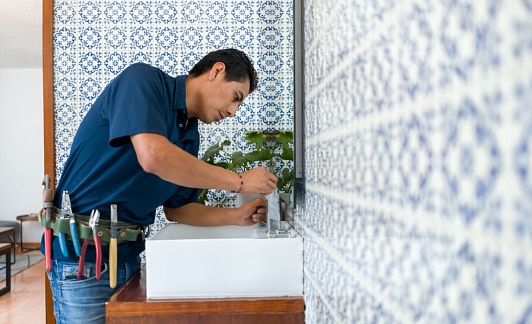
Latin American Plumber fixing a leak in a faucet in a bathroom's sink - home repairment concepts

How Do You Know If You Need a New Sink?

A bathroom sink is one of the most frequently used fixtures in a home, and it's important to ensure it functions properly. It is a key part of the aesthetics and functionality of your entire bathroom plumbing setup, along with the shower, toilet, and bathtub. However, knowing when to replace your bathroom sink can be difficult. In this blog, we will discuss the signs that indicate it's time for a new sink, the benefits of upgrading, and the options available for replacement. Whether you're dealing with a leaky faucet or discolored porcelain or want a fresh look for your bathroom, this guide will help you make an informed decision about your bathroom sink. Keep reading to learn more.

How Do You Know You Need a New Sink?

Constant Clogging

Hair, food scraps, and other items can accumulate in the drain and cause clogged sinks from time to time. The plumber is now on your speed dial because you've contacted him so frequently. Nobody wants to deal with a sink that is constantly clogged. Therefore, there's a probability that there's a deeper issue if your sink keeps backing up despite receiving repeated treatments from professionals. In this situation, changing the sink is your best option.

Your Sink Is Rusty

There is always a chance of rust where there is water. Unfortunately, rust is difficult to stop once it has started. Many of your pipes' protective coatings will ultimately become worn down by the water, which might cause them to break down and rust. Your pipes will become more worn out and more likely to rust as they age. Rust is a sink disease that easily wears away your pipes, producing holes and leaks. Rust has the same health risks as mold. Rust can get into your water supply if left too long without being replaced. It can cause major health problems if ingested.

The Sink is Damaged or Cracked

Although hairline fractures in your sink are not a big concern, they can quickly spread and cause more harm. It might be time to repair your sink if it is cracked, dented, or otherwise damaged. Many sink materials are easily harmed by items like hot curling irons, water damage, or cleaning products, particularly in older homes. Even though the problems are minor, water seeping under your porcelain will cause gradual damage that will quickly eat holes in your sink. Repair work may result in a variety of issues. Pipe leaks, difficulty locating suitable materials, exorbitant costs, and even future occurrences of the same issue. When you choose to fix a broken sink as opposed to replacing it, all of these possibilities are possible.

Mold is Growing

The presence of mold under sinks is one of the more compelling arguments. Leaks of any size can encourage harmful development. Water leaks under sinks can seriously harm the subflooring beneath them. Mold and rotting wood are indications of this. Numerous issues, including broken plumbing, and unsecured connectors and drains, might result in a leak. Another possibility is that your sink has a fissure or a clog. It can be more cost effective to replace your sink if you've discovered any mold under your vanity. Mold can pose serious health risks to you and your family and be quite expensive to remove. Sadly, mold has a way of getting outside of your sink and spreading even into the walls.

Plumbing

When you need to get plumbing services, it is best to find professionals who will ensure the work is perfectly done. While it may look easy, plumbing takes a lot of experience to perfect. You can spend the entire day joining pipes as perfectly as possible, only to find that all your joints are leaking. A perfect and functional design is the trademark of a good plumber. Here are some of the things you need to know about plumbing and why you need a professional like Flatirons Plumbing or My Arvada Plumbing.

Plumbing Fixtures

Plumbing fixtures are containers made to hold liquids or sewage waste and release them into the sanitary sewer system to which they are attached. Knowing the right fixtures to use is critical to a functioning bathroom. You will need to understand how all the fixtures fit together. Some features, such as the water heater, require significant skill to connect correctly with the electricity and the water pipes. When you need emergency plumbing services on the same day, you will require someone with a wide understanding of plumbing fixtures. Several styles exist for joining up the pipes and joints and designing how everything connects. A professional from My Arvada Plumbing can quickly identify how your system is set up.

Wet Venting

Sometimes, you need special skills to utilize the space in your bathroom just right. One such aspect that needs significant understanding is a technique called wet venting. Wet venting is a plumbing technique where a single pipe serves both as a vent and a drain for multiple fixtures. This is typically used in situations where there is not enough space for separate vent and drain pipes, and it allows for the efficient use of space in the plumbing system. Wet venting can only be used for certain types of fixtures, such as toilets, sinks, and shower drains, and the vent pipe must be large enough to handle the combined flow from all of the fixtures that are connected to it. comfortable space

Bathroom Plumbing Services

Plumbing emergencies can be a difficult and expensive issue. It is best to call in the experts as soon as possible if you have leaky pipes, an overflowing toilet, a broken bathroom sink, a leaky tub, or any of these other issues. At Arvada, we consistently go above and beyond to provide top-notch client service and great results. If you need an emergency plumber in Arvada, you can be sure that we will be there in 30 minutes or less. Arvada Emergency Plumbing Service is available 24 hours daily for emergency service calls throughout and surrounding Colorado. You can reach us at 303-500-0437 to schedule an appointment with one of our plumbing experts today!

Are Bathroom and Kitchen Plumbing Connected?

Typically, your bathroom and kitchen plumbing will have separate drain lines. However, all of them are ultimately connected to the main sewer line that flows into the sewer. Unfortunately, sometimes your sink may drain into your bathtub in the bathroom, indicating there is a problem somewhere in your plumbing system. Experts recommend that homeowners seek the immediate assistance of professional plumbing repair services if they start experiencing such an issue. Additionally, every homeowner needs to understand how their plumbing drains work and how to avoid backup issues before they occur.

Understand your Kitchen and Bathroom Drains

As mentioned above, your bathroom and kitchen drains are connected through several pipes. Most homeowners understand that the backflow of wastewater often happens as a result of blocked sewer systems. All the drains in your home are interconnected and empty into the sewer system. Some of the reasons for this type of installation or construction are that it is inexpensive and easy. But, you could be experiencing some issues in your drainage system if the wastewater begins emerging from different undesignated points. This can be caused by clogged ducts or a blockage in the main sewer line. Furthermore, septic tank overflows and blocked p-traps can result in the spillage of dirty water. Since drains are the main components in your home allowing the smooth passage of wastewater, any blockage or damage in the drain pipes can cause wastewater backup, spillage of substances from the vents, and the production of unpleasant odors. If this is the case, you need plumbing repairs from a professional plumbing service company.

Why Bathroom and Kitchen Plumbing are Connected

Kitchen and bathroom plumbing is connected through vents for easy construction or plumbing installation. Plumbers can also install multiple plumbing fixtures in the plumbing system to connect it with the mainline. Moreover, this type of connection is suitable for areas with a shortage of space, such as basements or apartments, and although they require more attention, they save you money.

Kitchen vs. Bathroom Plumbing

By utilizing vents, your kitchen and shower can share a common drain. It depends on the distance, fixtures, layout, and space of the plumbing system and your home. You can also use the same duct if there is no room for another system and the duct systems are in a similar range. Connected kitchen and bathroom plumbing systems are not only easy to maintain and effective for homes with tight spaces, but they are also very economical, as you do not have to spend extra on other fixtures and connections.

Why Kitchen Sinks Drain to Bathtubs

Many homeowners are faced with the issue of their kitchen sink draining into their bathtub, which can be quite unpleasant. It is not a good look when your bathtub fills up with food particles and wastewater. The main reason for such a backflow is often a blocked or clogged drain pipe or even a blockage in the venting system. When you notice unpleasant odors, bubbling water, and strange noises coming from your bathtub, it could be due to the reasons below:

Blockage in your Drain Lines

If you notice wastewater from your kitchen sink bubbling up into your bathtub, it is an indication that you have a blocked or broken pipe. The blockage could be at the first juncture, depending on the size of your home, which is the point that combines your bathtub and kitchen, or somewhere further down the drain line. This clog prevents wastewater from draining into the main sewer line. The water flows along the path with the least resistance rather than bursting your pipes, bubbling back up through another plumbing fixture. The main reason the wastewater bubbles up into your tub is that it is positioned lower than your kitchen sink. This makes it easier for the wastewater to reach

Sewer Line Blockage

Every drain line in your home, including every kitchen sink, shower sink, toilet, dishwasher, and washing machine, is connected to a larger pipe that eventually moves wastewater to the municipal sewer line or septic tank. There is an access point to the sewer line between your house and any of these two points that plumbers use to determine if and where there is a clog. Wastewater emerging from this access point indicates there is a blockage in the drain line. Instead of a DIY, call My Arvada Plumber, your local Arvada, CO plumbing company to identify the clog and use specialized equipment to break up and dislodge any obstruction therein.

Venting Issues

Most plumbing issues are not necessarily solved by just unclogging your drains. Your home has a network of venting pipes that typically run along the side of your house and up to the roof. They are important in venting waste air, preventing it from forcing wastewater back into your home, and also maintaining air pressure in the waste lines by letting in fresh air. Get the assistance of a professional plumber to access the vents safely and handle the issue.

Septic Tank Overflow

If your home has a septic tank, it can fill up, resulting in backups in the drainage system and in your home. The pressure buildup that forces backflow into your house increases as you force more water down the drain. Since your tub sits lower than the sinks, the backflow will get there first. Often, this problem is fixed by draining your septic tank. However, if the problem persists, schedule service repairs with an expert plumber to help resolve the issue.

Professional Kitchen and Bathroom Plumbing Arvada has to Offer

My Arvada Plumber has been providing top-quality commercial and residential plumbing services in Arvada, Colorado, and the surrounding area for years. We have highly trained professionals who have the expertise and experience to handle any plumbing job you have. We also offer the following:
  • Water heater services
  • Replacement services
  • Toilet repair services
  • Drain cleaning services
  • HVAC system repair services
Visit us for more information about our plumbing services at our office in Arvada, CO. You can also give us a call at 303-500-0437 today for a free estimate.

Tips for Hiring a Plumber for Home Remodeling Projects

Are you looking for a skilled, experienced, and reliable professional specializing in plumbing renovations? Finding a plumber to complete a home remodeling project can be difficult. However, the procedure can be simplified with the right advice and knowledge.

Why Homeowners Should Hire Plumbing Contractors for a Home Remodeling Project

Professional plumbers have the knowledge and skills to resolve any plumbing issue that might arise during a home or business remodel. They can ensure that renovation projects comply with all legal requirements. That is because they are knowledgeable about the local building codes and regulations. Qualified plumbing professionals can offer insightful advice when planning and designing your remodel. They can advise you on any potential problems that crop up during the renovation process and help you select the plumbing fixtures and appliances that best suit your needs.

How to Choose the Best Plumber for Your Renovating Project

Recognize the Role of Plumbing in Remodels

Understanding the role plumbing work plays in your home's overall functionality and aesthetic is crucial when planning a remodel. Your home's plumbing system is in charge of bringing in fresh water and removing wastewater and sewage. For the renovation project to be successful, the plumbing fixtures, such as the plumbing lines, drain lines, faucets, showerheads, toilets, and sinks, must be in good working order. After all, they are essential to your home's daily operation. Failing to address any plumbing issues during a remodel properly can result in expensive repairs. It can even harm your home's structure. Working with a skilled and honest plumber is crucial because they can help you decide the best course of action for your unique project and guarantee that all plumbing is up to code.

Research and Compare Plumbers

When looking for a plumber, compare various contractors' credentials, experience, and cost. To learn more about the plumber's reputation, ask friends, family, or other local homeowners for recommendations. You can also read online reviews. Choosing a plumber with experience and expertise in the kind of work you require is critical. An experienced plumber with good feedback and a solid reputation is more likely to deliver high-caliber service.

Consider the Plumber's Area of Expertise

It is best to find a plumber with experience in the type of plumbing work you require. For instance, you should ensure the plumber has experience working on projects like installing new bathroom fixtures, replacing water heaters, and fixing backed-up toilets. A plumber specializing in remodeling will have the skills and experience to manage the particular difficulties that arise with remodeling projects. These include working in confined spaces, coordinating with other contractors, and coming up with solutions for challenging or unusual circumstances.

Communicate Clearly

Clear communication is essential when working with a plumber. It is best to go over every detail of your renovation project with a qualified professional. By doing so, you can be sure that the plumber you hire will know what you need and how much it will cost. A good plumber will take the time to listen to your worries and offer straightforward, sincere responses. Talk about deadlines, payment plans, and any other details that are significant to you.

Consider Updating Legacy Plumbing

If your home has older plumbing lines, consider updating your legacy plumbing as part of your remodel. Legacy plumbing can lead to issues like backed-up toilets and slow drains. Updating these lines can save you money over time by avoiding future expensive plumbing repairs. You can also take advantage of the opportunity to upgrade to more contemporary, energy- and water-saving plumbing systems.

Get Several Estimates

It is a good idea to get several estimates from various contractors before hiring a plumbing expert. That will help you find one who is reasonable and dependable while also giving you an idea of the associated costs. Examine the estimates side-by-side for any discrepancies or warning signs. Asking for a thorough cost breakdown will help you determine precisely what you are paying for and how much.

Choose Whether to Repair or Replace Plumbing Fixtures and Appliances

Talk with a plumber about your project's options before deciding whether to have fixtures and appliances repaired or replaced. Replacing an old, dated fixture with a new one may be more economical than repairing the old one. A qualified plumber can assist you in weighing the benefits and drawbacks of each option and advising you on the best course of action.

Look for Honesty

A trustworthy plumbing professional will not try to upsell you on unnecessary repairs or replacements. He or she will be upfront with you about the condition of your plumbing. Watch out for those who appear to be trying to overcharge for labor or supplies.

Consider the Labor Cost

It is best to account for the cost of labor when creating your remodeling project's budget. Research local plumbers and include their fees in your budget because labor prices can vary depending on where they are.

Bottom Line

Homeowners may find it challenging to find a plumber for a house project. However, the process can be much easier with the right advice and knowledge. You can find a dependable and skilled plumber who will assist in the success of your project by using the advice in this guide.

Work With the Best Plumbing Professionals in Arvada, CO

Do you want to install a new bathroom sink, toilet, shower, or pipes? Are you looking for a skilled, experienced, and honest plumber in Denver and surrounding areas who will do the job at a reasonable price? If so, do not settle for anything less than exceptional service for your plumbing system and appliances. Contact Arvada Plumbing Co. today to learn more about our extensive plumbing services and schedule your free consultation with a plumbing expert. We do everything from initial installation to outstanding repairs and leak detection. Trust us to complete the job with the skill and expertise that only a professional can offer. Contact us at 303-500-0437 to learn more.